
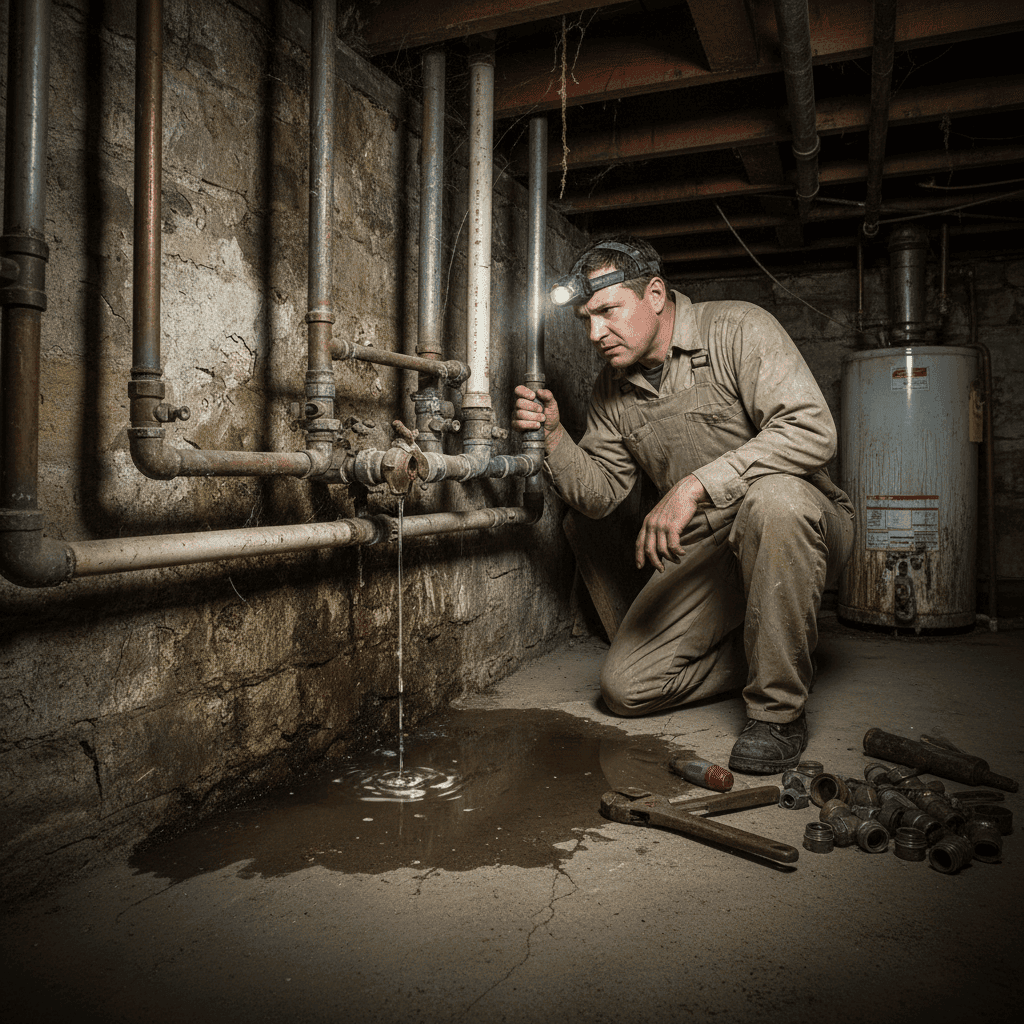
Older houses have character that newer builds often lack. They also have plumbing systems that tell a story about the era they were built in. Pipes change over the decades and what worked for one generation can cause trouble for the next. If you own an older property or are thinking about buying one it helps to understand common weak points and which fixes deliver the best value.
This article explains the typical plumbing challenges in older homes and gives realistic tips for repair and upkeep. You will find examples of aging materials that cause leaks low water flow and sewer backups. I also cover how to prioritize repairs keep disruption small and when calling a professional makes sense. One useful resource for local repair options is this page on older home plumbing repair which highlights common services for vintage properties.
Common plumbing materials in older homes and why they fail
Knowing what kind of plumbing materials are present helps predict problems. Some older homes still have galvanized steel pipes that were common before copper took over. Galvanized pipes corrode from the inside which reduces flow and eventually leads to pinhole leaks. Cast iron was widely used for drain and sewer lines. While cast iron can last a long time it is heavy and when it corrodes tree roots and soil shifts can cause cracks.
Lead pipes and lead solder were used before lead was recognized as a health risk. Even small sections of lead plumbing can contaminate water. Polybutylene was installed in many homes from the late 1970s through the 1990s and has a record of brittle failure over time. PVC and CPVC appeared later and perform well for many applications yet connections and aging joints may still leak after decades.
Hidden risks tied to old pipe layouts and connections
Older plumbing often follows layouts that were convenient when the house was built but are inefficient now. Long runs of narrow pipe reduce pressure and make fixtures feel weak. Multiple threaded connections and older fittings increase points of failure. Some early systems used galvanized fittings over lead or other materials which creates mixed material corrosion that accelerates deterioration.
Another hidden risk is the condition of seals around fixtures and vents. Roof venting that has become clogged or shifted can produce slow drains and sewer gas smells. Old trap seals under sinks can dry out in rarely used spaces causing odors. These issues are often small to fix but they can indicate broader maintenance needs.
Signs your older home’s plumbing needs attention
It pays to watch for warning signs that point to urgent or upcoming repairs. Detecting trouble early is the easiest way to limit damage and manage costs.
Slow drains and recurring clogs
Slow draining tubs and sinks can be caused by grease hair and soap buildup on old smooth pipes that have become rough from corrosion. Recurring clogs may also signal a failing main sewer line. If plunging and chemical cleaners fail a camera inspection of the drain can reveal the cause so the correct repair is chosen.
Low water pressure and discolored water
Low pressure at several fixtures typically means pipe scale or internal corrosion. Rust colored water usually indicates iron in the supply lines or corroding fittings. Cloudy water that clears with standing may be air from a small leak. Any discoloration paired with metallic taste should be checked for lead or excessive iron content especially in older homes.
Typical repairs and upgrades to prioritize
Deciding which fixes to do first depends on safety impact and potential for further damage. Here are repairs that tend to deliver the most value for older houses.
- Replace lead and polybutylene piping when present. Removing known hazardous materials improves health and resale value.
- Repair or replace failing sewer lines that show root intrusion sags or repeated blockages. Trenchless lining can reduce excavation in many cases.
- Upgrade supply lines to copper or modern plastic to restore water clarity and pressure. Use proper fittings to avoid galvanic corrosion between dissimilar metals.
- Replace old fixtures and shut off valves that leak or stick. Localized repairs are cheaper than waiting for catastrophic failure.
- Inspect and repair vents and roof flashing to prevent sewer gas and ensure drains flow freely.
Walkthrough inspections typically identify weak spots where a small investment avoids larger repairs later. For example replacing a single leaking branch line may be less disruptive if done before the leak causes ceiling or floor damage.
How to plan repairs with minimal disruption
Older homes require thoughtfulness when making plumbing changes. Surfaces may be more fragile and finishes harder to match. Planning can keep projects on budget and reduce the time rooms are out of service.
- Stage work by priority and pick low impact changes first.
- Keep records of original layouts and shut off points to speed future service work.
- Choose repair methods that limit demolition for example pipe relining for sewer sections or rerouting inside utility spaces.
- Label new shut off valves and add isolation valves to long runs so other areas remain functional during repairs.
When replacing a main water line for example consider doing it during a season when you can tolerate brief shutdowns. Coordinate with contractors about access tidy up and protection for floors and furnishings. A good contractor will work to preserve historic trim and match visible pipework to the existing aesthetic.
Preventive maintenance checklist for older properties
Regular checks reduce surprise failures. Make a habit of simple inspections and basic maintenance tasks that can extend the life of plumbing systems.
- Test shut off valves annually to confirm they turn and seal.
- Run rarely used fixtures monthly to keep trap seals filled and to check for leaks.
- Inspect exposed drain pipes for rust stains bulges or slow drainage.
- Monitor water meter when no water is in use to detect hidden leaks.
- Keep gutters and downspouts clear to prevent foundation water that can shift pipes.
- Schedule a camera inspection of the main sewer line every 7 to 10 years or sooner with signs of trouble.
Small tasks like replacing a washer on a dripping faucet cost little and prevent larger issues. For older homes where original components are irreplaceable consider photographing and cataloging original hardware before any work starts.
When to call a professional and how to choose one
DIY repairs are tempting for small leaks and clogged traps. However the stakes are higher with main sewer lines hazardous materials and supply lines that affect water quality. Call a professional for suspected lead plumbing major leaks sewer backups repeated clogs and service that requires permits.
Ask potential contractors about experience with older houses references and whether they provide written estimates and warranties. Request a clear description of the proposed method for repair and how they will protect the house during work. If you want work done with minimal visible change ask whether they can match exposed fittings or conceal pipe runs within existing cavities.
Cost considerations and financing options
Plumbing repairs for older homes range from inexpensive fixture replacements to larger projects such as full re-piping. Typical cost drivers include the extent of hidden damage labor to access piping and material choice. Replacing a short run of supply pipe is relatively low cost. Re-piping an entire house increases expense but adds value and reduces risk going forward.
Some municipalities offer low interest loans or grant programs that help homeowners replace hazardous plumbing materials. Ask your local water authority about programs for lead service line replacement or for rebates on water efficient fixtures. Spreading larger projects into phases can make them manageable while still reducing the chance of emergency failures.
Older homes are full of charm but they require a proactive approach to plumbing. Regular inspection and targeted repairs stop small problems from turning into major damage and health issues. Start by locating main shut off valves checking for visible corrosion and testing fixtures. When you find any sign of hazardous materials a trusted licensed professional can recommend safe replacement options and timeline. If you want practical help with assessments or repairs search local service listings or contact a company that specializes in vintage properties for a home visit. Acting early protects both the house and your budget and keeps that historic character functioning for years to come. Schedule an inspection or estimate today and take the first step toward a safer more reliable plumbing system.

